Written by:

•
Steph Meade
A Beginners Guide to getting Your First Watch (Without Breaking the Bank)
Getting into watches can often feel intimidating, mostly because of how much jargon gets thrown around. Movement, complications, lug width, and price tags that swing from ten dollars to the cost of a small car.
None of this should scare you off though. A first watch is one of the more forgiving purchases out there, and most of the confusion clears up the moment you understand what you're actually paying for. If you´re considering getting into watches, you may as well skip the overwhelm. A little bit of research might still be needed, though.
A quick Introduction to Watch Movements

Image Credit:
Rolex
A watch is a watch, right? Well, not exactly. The mechanism within the watch often differs, but is often divided into three main types.
Quartz powered watches are easily recognized by their ticking second hand. They're accurate, cheap to produce, and need almost no maintenance beyond an occasional battery swap.
Mechanical watches are recognized for having a smoother gliding motion, compared to a quartz watch. The movement is wound either by hand or by the natural motion of your wrist. Many people prefer mechanical movement for the craftsmanship.
Solar powered watches are as you might have guessed, solar powered. Casio and Citizen both do this well, and it's a smart option if you want the low maintenance of quartz without the anxiety of a dying battery.
Quartz and solar watches are often the more affordable options, whereas the mechanical ones are more expensive due to their complexity. None of the movements are objectively better. It comes down to how hands-on you want to be, and whether you like the idea of a watch as a small mechanical object rather than just a display.
Know the Types Before You Decide
Although watches tell the time, they often fall into different categories based on their use-case. For a normal person, this doesn´t matter as much, and usually comes down to style and preference. Still, it can be useful to know a thing or two about them.
Dive Watch

Image Credit:
Seiko
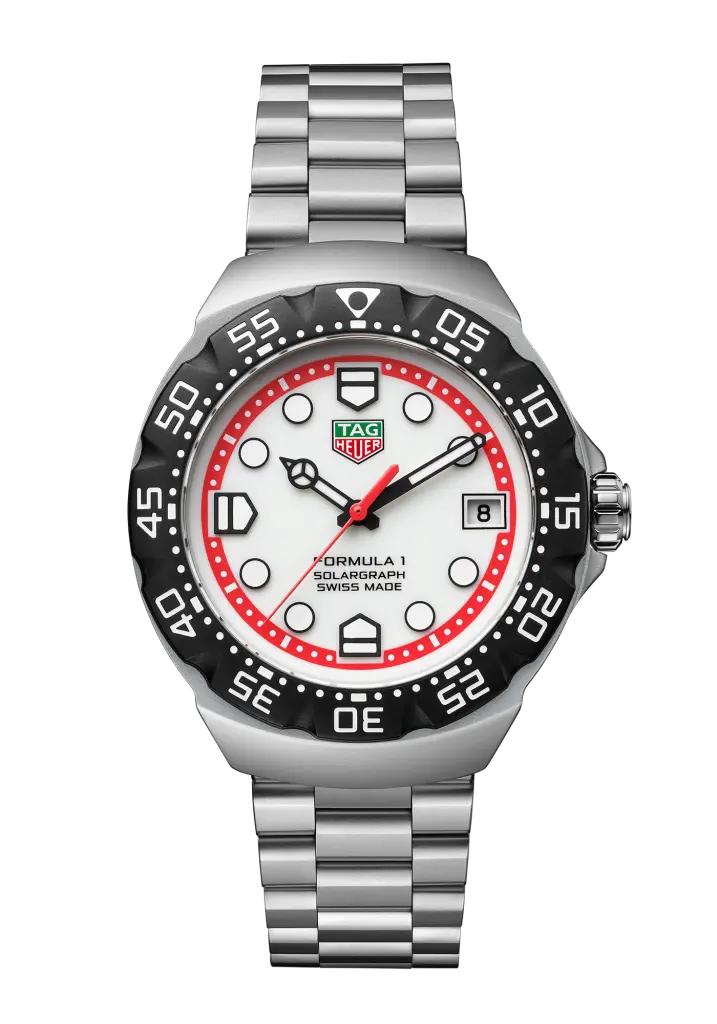
A dive watch is built to survive time underwater, with a rotating bezel for timing dives and a water resistance rating well past what most people will ever need. You don't have to dive to own one. The rugged look and high legibility make it one of the most versatile everyday styles out there, which is part of why it's so common as a first pick.
Field Watch

Image Credit:
monochrome-watches.com
Field watches were introduced during World War I (1914–1918). Commonly known as "Trench watches", Soldiers would modify their pocket watches by adding leather straps to wear them on their wrists. Field watches often come with a simple dial with bold numerals, and are built to be read under bad conditions. Just as useful during a hike as on a battlefield.
Chronograph Watch
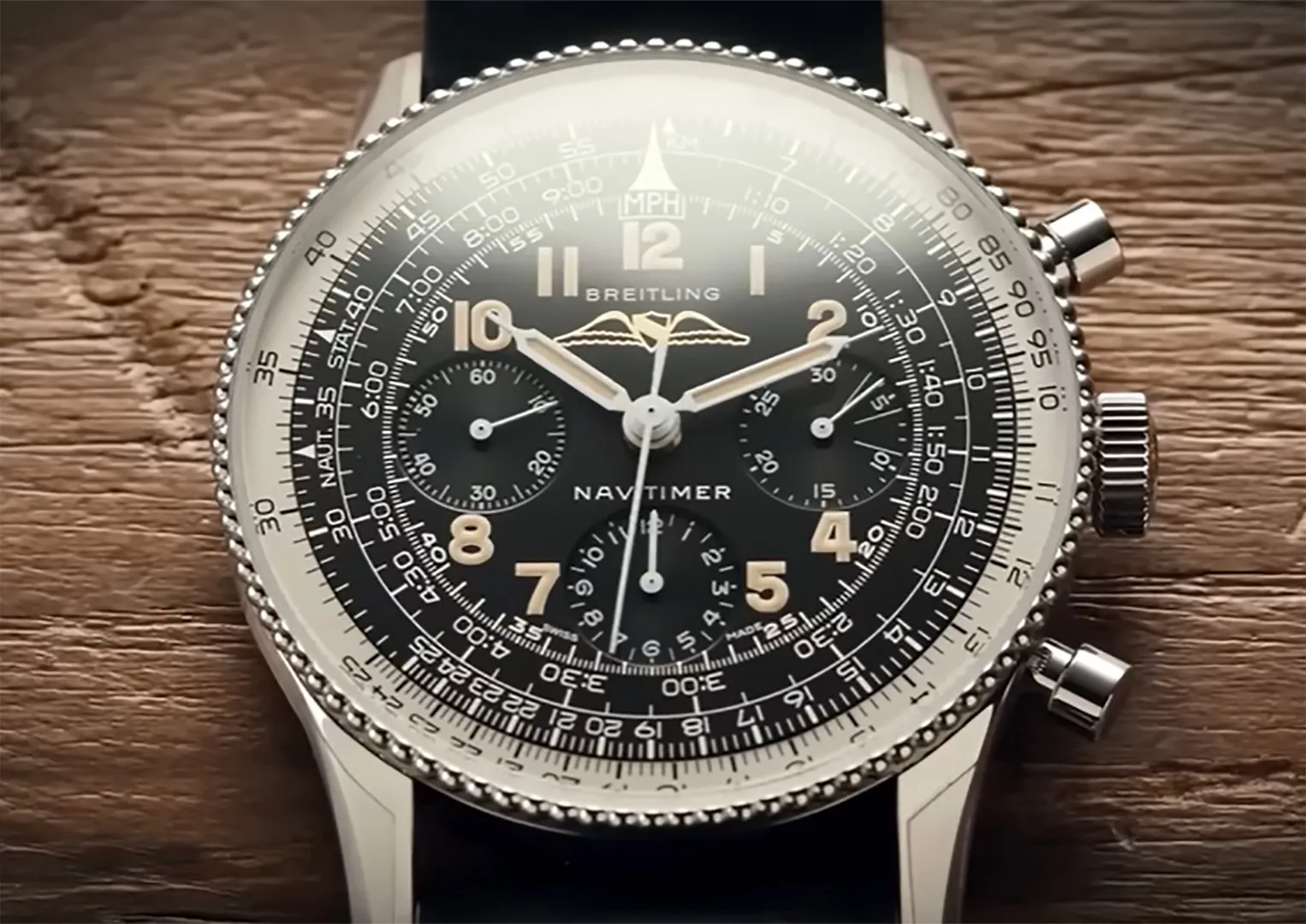
Image Credit:
Watchfinder
First built in 1816 to use as an astronomical pocket timer, and was later commercialized for horse racing in 1821. A chronograph adds a stopwatch function, usually shown through two or three smaller sub-dials. They usually come with more than one pusher (Crown), which makes them look more complicated than they are to use. Worth trying on before committing, since the extra dials genuinely change how the watch reads at a glance.
Pilot Watch
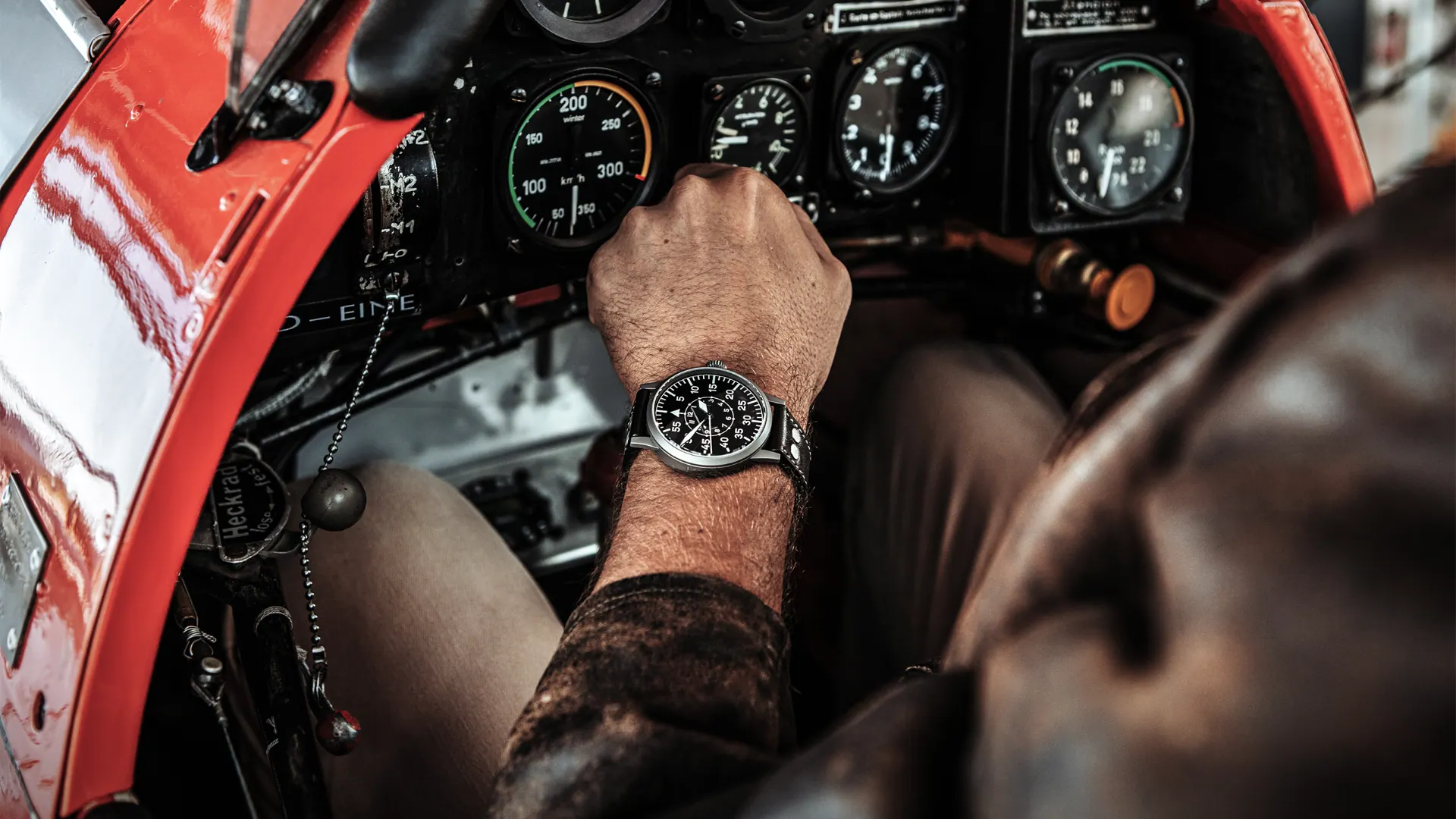
Image Credit:
Laco
Similar to field watches, pilot watches were mainly designed to be used by pilots and aviators. Often recognized for having a larger crown, a pilot watch borrows its look from cockpit instruments: oversized numerals and a case that tends to run larger than most other styles. If a field watch is about reading the time during bad conditions, a pilot watch is about reading the time during bad conditions in the air.
GMT Watch

Image Credit:
Wristler
GMT watches were introduced in the 1950s and were commonly used for long-haul commercial pilots. It adds a second time zone, usually through an extra hand and a rotating 24-hour bezel. Genuinely useful if you travel a lot or work with people overseas, and mostly decorative if you don't. Either way, it's a fun complication to have once you're past your very first watch.
Dress Watch

Image Credit:
Chrono 24
A dress watch strips everything back. Thin case, minimal dial, usually no date window or extra complications getting in the way. A dress watch is often a more elegant watch, built to disappear under a shirt cuff. This makes it the obvious choice for anything formal, but a little plain for daily wear if that's the only watch you own. Note that dress watches aren´t exclusively it´s own category, as dive watches, pilot watches, chronographs, and other types also do the trick (Think Rolex).
The Brands That Do Affordable Well
There are plenty of watch brands out there that offer watches ranging from somewhat affordable to borderline unobtainable. Still, if you´re just getting into watches, there are several brands that punch way above their weight in terms of price, quality and design.
Casio
Casio´s are proof that a watch doesn't need a big price tag to be reliable. Casio´s are mostly quartz-based with a range of designs that suits just about anyone. The G-Shock series is close to indestructible, built to survive drops, water, and general daily abuse without a scratch to show for it. On the more subtle end, Casio offers simpler digital watches like the F91W to the more premium looking Duro.

Swatch
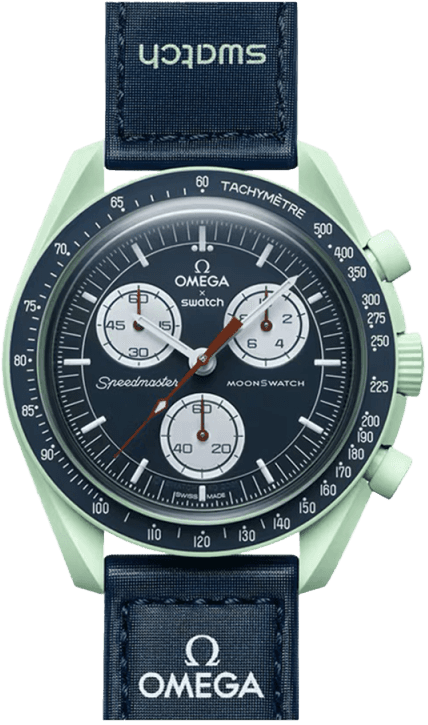
Swatch was introduced, back in the 1980 when cheap quartz watches almost bankrupted the Swiss watch industry. Most of the lineup is colorful, collectible, plastic-cased quartz watches within the $50 to $200 range.
Timex
Timex is an American brand that has been making watches since the 1850s. Timex watches range from casual and everyday, to rugged and classy styles. Most of the lineup sits around $200 to $500, and the designs tend to age well instead of looking dated after a couple of years.

Seiko
Seiko is often categorized as the "Toyota" of watches. Their most popular line, the entry-level Seiko 5, comes in a variety of styles and colors. Seiko also offers the Prospex line, among more exclusive lines. With Seiko, you get a genuine mechanical movement within a proper stainless steel case.

Citizen
Citizen is often compared to Seiko, and is commonly known for their solar-powered Eco-Drive watches. Citizen also has watches beyond the solar-powered ones, with everything from clean dress pieces to capable dive watches. The watches start at $150 to $300, going upwards.
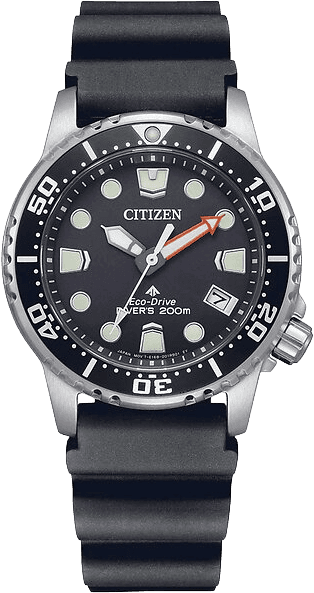
Hamilton
A bit more premium, Hamilton is a Swiss-made name with real heritage in field and pilot watches. The Khaki Field is often recommended as the watch people buy once they're ready to spend a bit more. They come in both Quartz and mechanical movements. A Hamilton costs more than a Casio or a Timex, but is still nowhere near what true luxury watch brands charge.

The Watch Doesn't Have to Be Forever
If you´re serious about getting into watches, your first watch probably won't be your last. Most people who get into watches, end up with several more, each one suited to a different mood or outfit. Treat the first one as a starting point rather than a final decision. Pick something solid and simple in a price range you're comfortable with, and you'll end up wearing it a lot more than you realize. And remember, even if you stick with one watch only, that´s okay too.