Written by:

•
Amino
9 Gadgets Your Phone Replaced (and why You Should Consider Using them Again)
Think about everything you used before your phone took over. An alarm clock, a camera, a notebook, a wallet, a map, a music player, and a dozen other objects have all been folded into one glowing rectangle. Convenient, sure. But that convenience comes with a catch: pick up your phone to check the time, and somehow 2 hours later you're trapped by the infinite scroll of Tiktok.
That´s exactly why more people are opting to buy single-purpose gadgets again. Nobody's ditching their phone. They're just finding ways to do things differently, with something built to do exactly that thing.
Why does it matter?
Nowadays, phones are designed to keep you on them. Every app on the screen is competing for your attention. A small task can spiral into scrolling Instagram, checking your email, and watching random how-to videos on YouTube. An analog device doesn't do that. It focuses on one main purpose, no notifications, and nothing pulling you sideways.
Swapping your phone for an analog gadget removes that friction. You do the thing you meant to do, without the extra fuzz.
Nine Tools Your Phone Replaced
Alarm clock
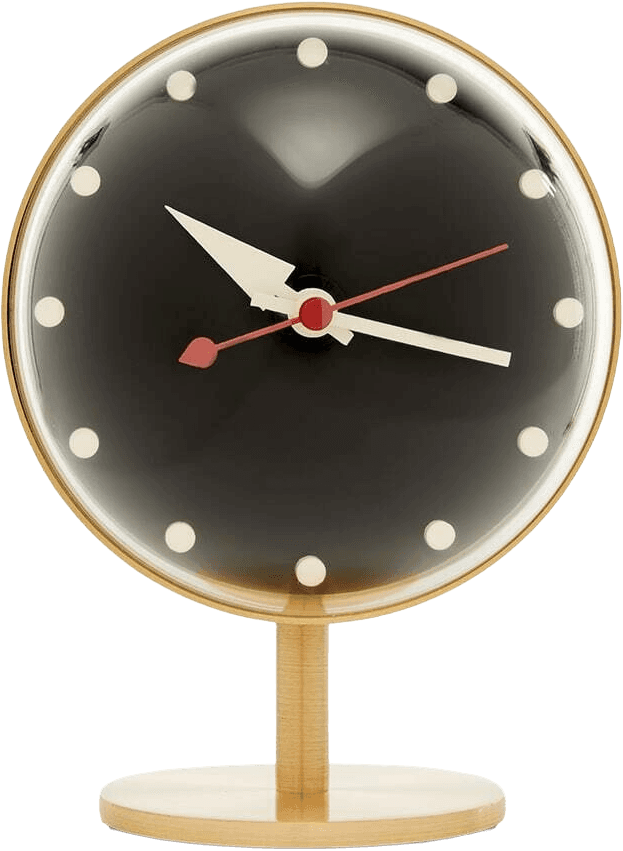
Your phone is probably the last thing you look at before bed and the first thing you touch in the morning, mostly because it's used as an alarm. It´s also a trap for starting your morning on the wrong foot. Using a separate alarm clock changes this routine. It lets you charge your phone in a different room, wake up on time, and start your morning without checking any apps.
Watch
Glance at your phone to check the time, and you're also glancing at whatever "urgent" thing just landed in your notifications. A watch shows you the time and that´s it. That alone means you can leave your phone in a bag or a pocket without reaching for it. As a bonus, a watch also works as a fashion accessory.
Camera
Phone cameras have gotten genuinely good, good enough that professional photographers sometimes reach for one to grab a quick shot. But the ease of a phone camera is also what makes it forgettable. A dedicated camera gives you a much larger sensor, real optical depth, and full manual control, and it does all of that without a text notification popping up mid-shot.
Film-based cameras push this even further. You get a fixed number of exposures, so you actually slow down and think before you press the shutter.
Notebook
Typing notes on your phone is fast, but it's also easy to lose in a pile of other notes, reminders, and half-finished lists. Writing by hand slows your thinking down in a useful way, mostly because you can't write as fast. This is great if you are a student and want to remember your notes. It´s also great if you want to jot down ideas or do rough sketches.
Spiral notebook, dotted notebook, hardcover, paperback, etc. It doesn´t matter really. There is just something magical about the tactile feel of a pen or pencil against real notebook paper.
Planner or calendar
A phone calendar is good at reminding you of things. It's less good at giving you a sense of your week at a glance, since you're looking at one day or one list at a time on a small screen. A paper planner lays out a full week or month in front of you, which makes it easier to see when and if you've overbooked yourself.
Book
Phones put an entire library in your pocket, but they also put email, social media, and everything else exactly one tap away from whatever you're reading. A paper book has no other tabs open. If your attention has been drifting more while you read lately, the format might be part of that, not just a slip in discipline. Physical books are also easier on your eyes over a long session, though e-readers do cut down on blue light compared to a phone screen, which makes them a decent middle ground if you're trying to unwind before bed.
Map
This one is probably a bit of a weird one, but hear me out. Using a normal map to find a location is cumbersome, whereas using your phone is an infinitely better and faster way to do it. The problem with it is that it takes away from the exploration of being in an unfamiliar place.
By not using your phone, you are more mindful of where you are, it helps you notice your environment, and may even allow you to interact more with locals. It´s a way to explore a new place, that we have forgotten. Also you don't need a signal, a charged phone, or an app that's tracking your location the whole time.
Calculator
A phone calculator works fine once you're in it, but getting there means unlocking the phone and opening an app, and now every other app is right there. A separate calculator, even the ten-dollar one you had in school, helps you crunch the numbers.
Music player
Streaming apps swapped out CDs and MP3 players for an entire catalog of music, which in itself, is a win. The tradeoff is that a phone playing music is still a phone, which means it can buzz with a text mid-song. A dedicated music player, whether that's an old iPod, a vinyl setup, or a basic MP3 player, just plays the song, making for a more mindful listening experience.
Where Your Phone Still Wins
None of this means analog tools beat your phone across the board. Your phone is still faster for looking things up. It´s better for getting around an unfamiliar city, and far more useful for staying in touch with people. The goal is not to replace it. It's to notice which everyday tasks are pulling you into your phone without needing to, and find alternative ways to do them with something that was built for it.